
Biases of Artificial Intelligence Regulation and Big AI’s Motive for Pushing for Lawmaking
With the growth of artificial intelligence and the development of the technology becoming ingrained not only in our daily lives but in government, defense, humanitarian aid, and business, questions about regulation of this vanguard technology arise. The government should learn from the precedents set forth by the regulation of the internet and establish use cases and boundaries for AI. Civilian use of the technology should carry far less weight but still raises the ethical dilemma: should artificial intelligence replace people in jobs it can do faster, more safely, and more efficiently?
In an 2026 study, Stanford University’s Institute for Economic Policy Research concluded that the fear of people losing their jobs is not one of paramount importance and should be considered an afterthought in comparison to the many other challenges the technology brings upon society. Among these other challenges: AI’s use to profile citizens, applicability in warfare, and models attempting to hack into other databases (see OpenAI and Hugging Face incident). And beyond that: how to safely and ethically develop AI models and ensure that the government takes reasonable regulatory authority over AI companies.
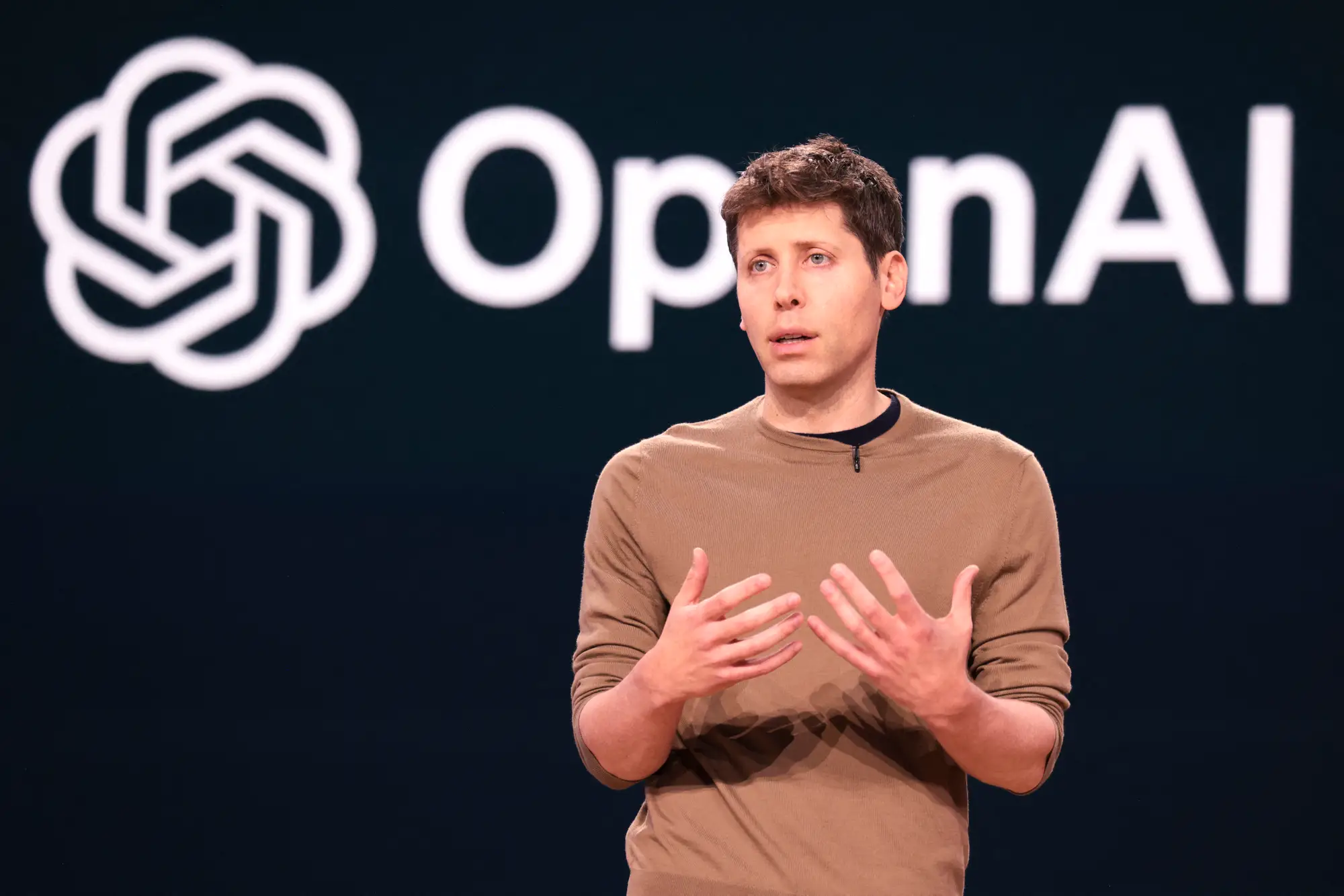
Multiple AI companies have requested federal and international regulation on both their individual models and the sector in general. These pleas can be read several ways: as an effort by established Big AI companies to restrict upcoming and newer competition with rigid guardrails, as a bid to compete with international open-weight models compared to the traditional American closed-weight models, or as a good-faith push for regulation of this groundbreaking technology. One proposed regulatory mechanism is an independent, third-party review of AI models, as described by the Brennan Center. But critics argue that requirements like this favor pre-established companies like OpenAI and Anthropic. “Calling for increased regulation on yourself is just a means of attaining a protected monopoly,” says Anette Obulinji, a Kenyan journalist who studies AI. She continues, “it is to intertwine yourself with the government and make it impossible for new market entrants because it will be ridiculously expensive [for a new company] to adhere to mandatory audits, licensing, and other complex reporting mechanisms.” Per Obulinji, AI companies are requesting regulation to protect themselves from startups and smaller companies who pose a threat to Big AI. Larger companies, however, would have the resources to not only influence regulation, but manage its burdens. The longer Big AI waits to push for regulation, the more competitors would appear, dilution the power that a company, say Anthropic, has in their sector.
The government of the United States, in my opinion, is best-equipped to appropriate enforce AI regulation. I do, however, believe that the United Nations could bring power-players from around the world together to develop an agreement on how AI should be regulated. The UN should also explore establishing an international committee that could govern AI development beyond America.
A key factor of my stance on this topic is the developmental differences that American AI companies take compared to that of international labs, primarily those in China. American systems prioritize the use of safer, more secure closed-weight models that are trained using secret data sets to ensure privacy and good faith. Most international labs, however, use open-weight models that practically do the opposite. Furthermore, the development of an international program would help prevent the use of AI in warfare (see the US government asking major AI companies for unobstructed access for national surveillance and security). Logically, the government would not restrict its own use, leading to the need for an international organization (like the UN) to make these decisions. We can draw from the European Union’s AI safety legislation that classified AI into four different risk categories and sets standards for safe and responsible use.
The question, however, for today is no longer whether to regulate AI but instead to examine who writes the rules and who benefits from those rules.